
Choosing Biochemistry Analyzers: Match Throughput and Test Menus to Lab Demand


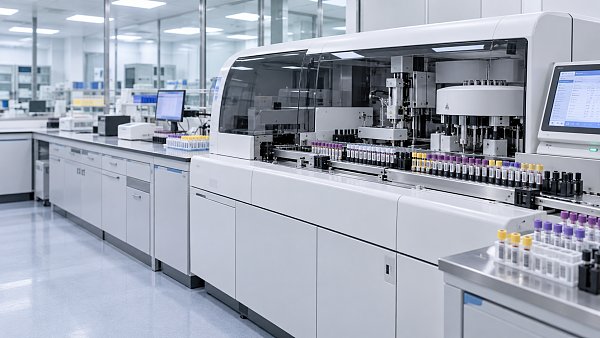
A chemistry analyzer can look comfortably oversized on a specification sheet and still struggle during the morning rush. Routine specimens arrive together, an urgent sample interrupts the queue, and a reagent pack needs replacing just as turnaround times begin to slip. The mismatch is often not a lack of advertised speed. It is a gap between the manufacturer’s throughput conditions and the laboratory’s actual workload.
Selecting biochemistry analyzers therefore requires more than comparing tests per hour. Technical evaluators need to connect assay availability, practical processing capacity, sample handling, calibration, and downtime to a defined service requirement. The strongest procurement decision starts with a realistic workload model—and asks suppliers to demonstrate performance against it.
Define the workload before comparing instruments
Daily test volume is useful for budgeting, but it is a weak standalone sizing metric. Two laboratories with the same daily workload may need different systems if one receives specimens steadily while the other processes a concentrated outpatient collection run alongside emergency requests.
Build a demand profile from representative laboratory information system records, including busy periods rather than averages alone. Capture:
- Specimens by arrival interval: identify peak-hour and shorter arrival surges where records allow.
- Tests per specimen: separate common profiles from single-assay requests and unusually broad panels.
- Assay mix: distinguish routine chemistry, electrolyte testing, and less frequently requested assays.
- Turnaround requirements: define whether timing begins at collection, laboratory receipt, analyzer loading, or another agreed point.
- Additional analytical work: include reruns, dilutions, quality control, calibration, and reflex testing.
- Operating constraints: record staffing, loading schedules, maintenance windows, and backup arrangements.
Keep specimens, reportable results, and analytical reactions separate. A specimen may generate several requested results, while a single reportable result can require additional processing because of dilution or repeat rules. Calculated results may not consume a separate analytical reaction. Confusing these units can distort both capacity planning and cost comparisons.
What throughput figures really tell you
Published throughput is a starting point, not a service guarantee. Ask which assay mix, operating mode, and loading conditions produced the stated figure. Establish whether electrolyte measurements are included, reported separately, or available only on a particular configuration.
A combined headline rate may not describe the performance of your workload. If photometric chemistry and an ion-selective electrode module operate in parallel, their combined capacity is useful only to the extent that the laboratory’s test mix can use both pathways. A workload concentrated on one pathway may leave capacity elsewhere unused.
Translate demand into a practical capacity target
Consider an illustrative peak hour with 120 specimens averaging eight requested measured results each. That represents 960 requested determinations before accounting for quality control, repeats, dilutions, or calibration. It does not automatically mean that an instrument advertised at 960 tests per hour will clear the workload within an hour.
Specimens arrive at different times, assays have different reaction requirements, and the last requested result may determine when a complete profile becomes available. Practical capacity must therefore be tested against arrival patterns and completion deadlines, not just an hourly total.
Use a planning model with three layers: baseline demand, additional analytical workload, and operational reserve. The reserve should reflect local uncertainty, growth, and recovery needs rather than an arbitrary universal percentage. A laboratory with a reliable backup pathway can accept different risks from one relying on a single instrument.
Do not overlook recovery. An analyzer that keeps pace during uninterrupted operation may be unable to clear the accumulated queue after an interruption. Ask how long recovery takes after a realistic maintenance stop or fault, with new specimens continuing to arrive.
Match the test menu to actual service commitments
A long assay list is not necessarily a suitable test menu. Evaluators need to know which assays are available for the exact model, reagent application, specimen type, and purchasing market. Availability elsewhere in a supplier’s portfolio does not establish availability on the proposed configuration.
Divide the menu into three groups: essential at implementation, required within the planning horizon, and acceptable for referral or another platform. This prevents rarely used capabilities from overshadowing gaps in everyday work.
For essential assays, review more than the test name. Examine the measuring interval, supported specimen types, sample volume, dilution procedures, calibration requirements, and documented limitations. Assess precision, bias, interference, and method-comparison evidence against the laboratory’s intended use and quality requirements.
Method changes can affect implementation. Differences in measurement principle, traceability, or specimen handling may require verification, reference interval review, and communication with laboratory stakeholders. Include that effort in the deployment schedule rather than treating installation as the finish line.
Low-volume assays can determine reagent economics
For infrequently ordered tests, reagent pack size and onboard stability may matter more than nominal speed. A pack that expires before its contents are used increases the cost of every reportable result. Calibration frequency, control requirements, and minimum stock levels can add further burden.
Ask suppliers to build a reagent plan from your projected volumes. It should show pack sizes, loading positions, storage requirements, stability conditions, and likely wastage. Confirm how duplicate packs and multiple lots are handled, particularly when uninterrupted availability is necessary.
Follow the specimen through the whole workflow
Analyzer performance begins before aspiration. Centrifugation, decapping, barcode readability, tube compatibility, and specimen sorting can restrict throughput even when the analytical module has spare capacity. Trace common specimen routes and identify every manual transfer.
For laboratories considering an automation line, check physical compatibility alongside routing logic, interface responsibilities, and recovery procedures. A standalone instrument may be appropriate where volumes and staffing support it; automation should solve a demonstrated workflow constraint rather than simply accompany a larger purchase.

At the analyzer, review primary-tube and sample-cup support, minimum sample requirements, dead volume, clot detection, liquid-level sensing, and responses to insufficient volume. These details are particularly important when specimen volume is limited or repeat collection is difficult.
Carryover also deserves method-specific attention. Request relevant sample and reagent carryover information, including any special wash requirements and their effect on consumption and capacity. Detection of an abnormal specimen condition should not be assumed to eliminate every associated analytical risk.
For urgent samples, distinguish priority access from time to completed results. An urgent loading position offers limited benefit if the specimen waits behind other work or the requested profile contains longer-running assays. Measure priority performance while the instrument is busy, and observe the effect on routine turnaround.
Account for calibration, quality control, and maintenance
Biochemistry analyzers spend part of their operating time establishing and maintaining analytical readiness. The procurement comparison should make that time visible.
Request a task schedule covering startup, shutdown where applicable, cleaning, scheduled maintenance, calibration, quality control, and operator troubleshooting. For each activity, distinguish elapsed downtime from hands-on labor. Ask what triggers additional calibration or checks, including reagent-lot changes, maintenance, and particular fault conditions.
Features described as automatic still require evaluation. Automatic maintenance may occupy processing time, consume materials, or require operator confirmation afterward. Remote monitoring may assist troubleshooting without replacing an onsite repair when a component fails.
Service arrangements should match the laboratory’s operating hours and location. Review response commitments, escalation routes, local parts availability, operator training, and support for prolonged outages. Where a backup instrument is proposed, establish which essential assays it can actually support and how comparability will be maintained.
Integration and regulatory suitability are procurement gates
A system should not advance solely because it performs well analytically. Confirm the exact model’s regulatory status and intended use in the destination market, together with the applicable assay and reagent documentation. Authorization or availability in another country is not a substitute for local suitability.
For connectivity, “LIS compatible” is too broad to be an acceptance criterion. Define order download, specimen identification, result transmission, flags, dilution reporting, corrected results, and communication-failure behavior. Clarify which functions depend on middleware and which organization is responsible for each interface.
Where autoverification is planned, determine which flags and specimen-quality information reach the rules engine. Test exception handling as carefully as normal reporting. A successful connection is not enough if a critical status is omitted or an interrupted transmission creates duplicate results.
Include cybersecurity and information technology requirements early: access permissions, audit records, remote service controls, supported software, patching arrangements, and backup or restoration procedures. Late discovery of an incompatible support model can delay an otherwise suitable installation.
Compare cost per reportable result—not reagent price alone
The cheapest reagent quotation may produce a more expensive operating model. Compare ownership costs using the same workload assumptions, service scope, and evaluation period for every bidder.
Include acquisition or placement terms, reagents, calibrators, controls, consumables, water and waste requirements, service, interface fees, training, and implementation work. Model operator labor, expected wastage, repeats, and contingency testing where these can be estimated credibly. Keep assumptions visible instead of presenting uncertain projections as fixed costs.
Review contract conditions alongside the spreadsheet. Minimum purchase commitments, price-adjustment clauses, reagent supply arrangements, and early termination terms may influence long-term value more than a small difference in instrument price.
Make the final decision on demonstrated fit
Shortlist systems against non-negotiable requirements before applying weighted scores. A missing essential assay, unsuitable market status, or unworkable interface should not be offset by extra points for headline throughput.
Then run a documented evaluation using a representative assay mix, realistic arrival patterns, urgent requests, and relevant exceptions. Agree on acceptance criteria in advance: completed-profile turnaround, sustained capacity, operator interventions, sample handling, connectivity, and recovery behavior. Use suitable materials and an approved evaluation protocol.
The right choice is not necessarily the fastest or broadest-menu instrument. It is the system that meets the laboratory’s service commitments with manageable workload, verified analytical suitability, dependable support, and transparent operating costs. When those elements align, the specification sheet becomes evidence for a decision—not a substitute for one.
Want to dive deeper into these market dynamics, or need data-driven support for your next business move? Drop a line below and let the analysts at GMLE provide customized insights.
We respect your privacy. Your information is strictly confidential.
Recommended for You
 Technology & Performance BenchmarkMedical Imaging Equipment Explained: What X-Ray, CT, MRI, and Ultrasound ShowMedical Imaging Equipment explained: discover what X-ray, CT, MRI, and ultrasound show, and compare workflow, safety, and lifecycle costs to make smarter purchasing decisions.By:Oct 22, 2026
 X-Ray & CTRecurring Artifacts in Digital X-Ray Machines: Detector or Calibration?X-Ray Machines showing recurring lines, bands, or ghosting? Learn how to distinguish detector faults from calibration issues, avoid unnecessary replacement, and verify image quality.By:Oct 22, 2026
 Market Pricing & CostCT Scanner Ownership Costs: Service, Tube Replacement, and UtilizationCT Scanners cost more than the purchase price. Explore service contracts, tube replacement, and utilization to compare lifecycle costs and make a smarter investment.By:Oct 22, 2026
 MRI & Imaging Software1.5T vs. 3T MRI Systems: Which Fits Your Clinical Case Mix?Compare 1.5T and 3T MRI Systems to find the right fit for your clinical case mix. Explore image quality, implant conditions, workflow, and costs to make a smarter investment.By:Oct 22, 2026
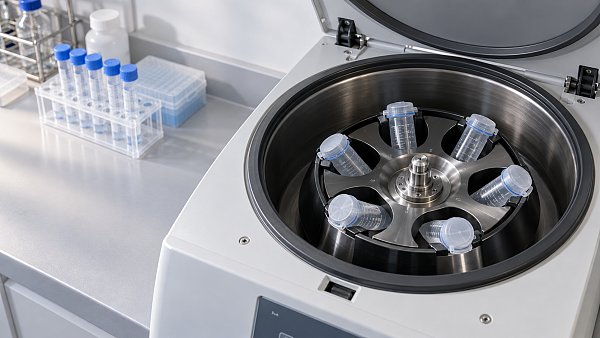
 Technology & Performance BenchmarkLaboratory Centrifuges: Why RCF Matters More Than RPM in Sample ProtocolsLaboratory Centrifuges: Learn why RCF matters more than RPM, avoid rotor conversion errors, and discover key checks for consistent sample separation and safer protocol transfers.By:Oct 22, 2026
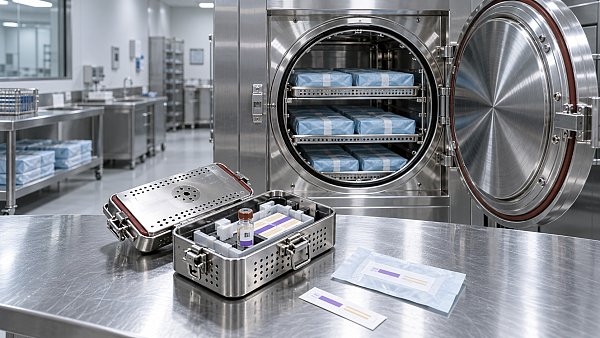
 Validation & TraceabilityAutoclave Validation: What Biological and Chemical Indicators Can ProveAutoclaves need more than passing indicators. Learn what biological and chemical tests prove, avoid release errors, and strengthen your validation process.By:Oct 22, 2026
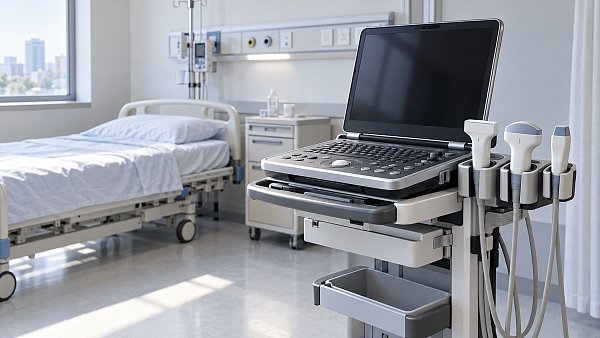
 Portable UltrasoundPortable Ultrasound Machines for Bedside Care: Choosing Probes and FeaturesCompare portable Ultrasound Machines for bedside care. Explore probe options, image quality, battery life, and connectivity to choose a system that fits your clinical workflow.By:Oct 22, 2026
 Supply Chain & ProcurementDental Equipment for a New Clinic: What to Buy First and What Can WaitDental Equipment for a new clinic: discover what to buy first, what can wait, and how to compare suppliers. Plan a safe opening, control costs, and invest confidently as demand grows.By:Oct 22, 2026
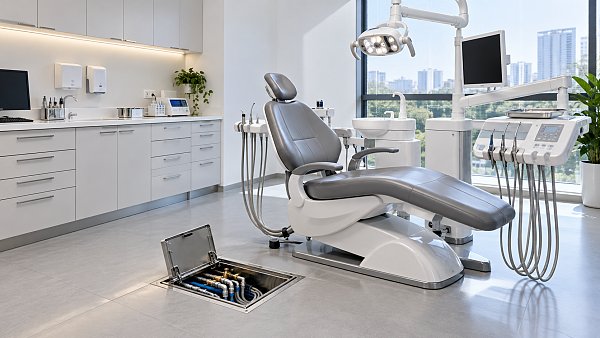
 Dental Treatment UnitsPlanning Dental Treatment Units: Space, Utilities, and Installation NeedsPlanning Dental Treatment Units? Discover essential space, utility, and installation requirements to avoid costly rework, streamline setup, and keep your dental practice running smoothly.By:Oct 22, 2026
 Automated ChemistryChoosing Biochemistry Analyzers: Match Throughput and Test Menus to Lab DemandChoosing Biochemistry Analyzers? Learn how to match throughput, test menus, and operating costs to lab demand—and compare systems confidently beyond headline specifications.By:Oct 22, 2026

Device Topic
Equipment Selection Guide
Reference Article • Technical Topic • Life Cycle Cost
Newsletter Digest
Browse equipment comparisons and practical reading on imaging, laboratory systems and procurement. Newsletter delivery is not connected.
Leave A Message
If you are interested in our products and want to know more details, please leave a message here, we will reply you as soon as we can.